Tnz Engineering

Loading

Blog

Fire Pump Installation

Fire pump installation is a critical part of any fire protection system and must be completed according to approved engineering standards, safety codes, and manufacturer guidelines. A properly installed fire pump ensures adequate water pressure and flow during emergencies, helping to control fire hazards and protect life and property.

  

Codes and Standards

Fire pump installation shall comply with internationally recognized standards such as:

  • NFPA standards

  • Local fire authority regulations

  • Building code requirements

  • Manufacturer’s installation manuals

Safety Measures

  • Proper earthing and electrical protection

  • Emergency stop features

  • Fire-rated pump room construction

  • Clear signage and access pathways

  • Adequate ventilation for diesel pumps

Fire Protection Installation

Installation work involves the proper setup, alignment, and integration of mechanical, electrical, plumbing, and fire protection systems to ensure safe and efficient operation. Quality installation is essential for system performance, durability, and compliance with design standards and safety regulations.

Professional installation includes planning, material inspection, testing, and final commissioning. Skilled execution not only improves system reliability but also minimizes breakdowns, energy loss, and future maintenance costs.


Chemical ETP

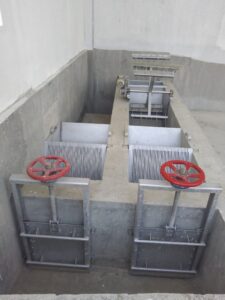
Chemical Effluent Treatment Plant (ETP) is designed to treat industrial wastewater using chemical processes to remove harmful solids, oils, heavy metals, and pollutants. It is widely used in textile, dyeing, pharmaceutical, chemical, and food processing industries to reduce contamination before discharge or reuse.

Chemical ETP works through processes such as neutralization, coagulation, flocculation, sedimentation, and filtration. Chemicals like alum, lime, ferric chloride, and polymers are added to wastewater to separate suspended particles and impurities. Sludge formed during treatment is dewatered and disposed of safely.


A well-designed Chemical ETP includes collection tanks, reaction tanks, clarifiers, chemical dosing systems, filters, pumps, blowers (if required), and control panels. Proper operation and maintenance ensure environmental compliance, reduce pollution, and improve water recovery.

Electrical Design, Supply & Installation Work

We provide complete electrical design and installation services for residential, commercial, and industrial projects with a strong focus on safety, reliability, and energy efficiency. Our experienced team delivers customized solutions based on client requirements, industry standards, and future scalability.

Our electrical design services include load calculation, system planning, cable sizing, panel design, earthing layout, and proper selection of protection devices. We ensure optimal distribution of power while minimizing energy loss and electrical risks through well-engineered planning and documentation.

Installation work is carried out by qualified professionals following approved drawings and safety guidelines. Our scope includes cabling, panel installation, lighting systems, power outlets, grounding systems, and testing & commissioning. Every project is executed with quality materials and workmanship to ensure long-term performance and system durability.

We also provide inspection, troubleshooting, and maintenance services to keep electrical systems operating at peak efficiency. Our commitment to quality service, skilled workforce, and customer satisfaction makes us a trusted partner for electrical solutions.

Customized Solutions: Meeting Industry-Specific Engineering Needs

This paragraph serves as an introduction to your blog post. Begin by discussing the primary theme or topic that you plan to cover, ensuring it captures the reader’s interest from the very first sentence. Share a brief overview that highlights why this topic is important and how it can provide value. Use this space to set the tone for the rest of the article, preparing readers for the journey ahead. Keep your language approachable, yet informative, to create a strong connection.

Sometimes, the simplest moments hold the deepest wisdom. Let your thoughts settle, and clarity will find you. Use this quote space to share something inspirational or reflective, perfectly aligned with the theme of your article.

This paragraph dives deeper into the topic introduced earlier, expanding on the main idea with examples, analysis, or additional context. Use this section to elaborate on specific points, ensuring that each sentence builds on the last to maintain a cohesive flow. You can include data, anecdotes, or expert opinions to reinforce your claims. Keep your language concise but descriptive enough to keep readers engaged. This is where the substance of your article begins to take shape.

As you move toward the midpoint of the article, this paragraph provides an opportunity to connect earlier ideas with new insights. Use this space to present alternative perspectives or address potential questions readers might have. Strike a balance between depth and readability, ensuring the information remains digestible. This section can also serve as a transition to the closing points, maintaining momentum as you steer the discussion to its final stages.

Wrapping Up with Key Insights

In this concluding paragraph, summarize the key takeaways from your article, reinforcing the most important ideas discussed. Encourage readers to reflect on the insights shared, or offer actionable advice they can apply in their own lives. This is your chance to leave a lasting impression, so make sure your closing thoughts are impactful and memorable. A strong conclusion not only ties the article together but also inspires readers to engage further.

Exploring the Future of Sustainable MEP Designs

This paragraph serves as an introduction to your blog post. Begin by discussing the primary theme or topic that you plan to cover, ensuring it captures the reader’s interest from the very first sentence. Share a brief overview that highlights why this topic is important and how it can provide value. Use this space to set the tone for the rest of the article, preparing readers for the journey ahead. Keep your language approachable, yet informative, to create a strong connection.

Sometimes, the simplest moments hold the deepest wisdom. Let your thoughts settle, and clarity will find you. Use this quote space to share something inspirational or reflective, perfectly aligned with the theme of your article.

This paragraph dives deeper into the topic introduced earlier, expanding on the main idea with examples, analysis, or additional context. Use this section to elaborate on specific points, ensuring that each sentence builds on the last to maintain a cohesive flow. You can include data, anecdotes, or expert opinions to reinforce your claims. Keep your language concise but descriptive enough to keep readers engaged. This is where the substance of your article begins to take shape.

As you move toward the midpoint of the article, this paragraph provides an opportunity to connect earlier ideas with new insights. Use this space to present alternative perspectives or address potential questions readers might have. Strike a balance between depth and readability, ensuring the information remains digestible. This section can also serve as a transition to the closing points, maintaining momentum as you steer the discussion to its final stages.

Wrapping Up with Key Insights

In this concluding paragraph, summarize the key takeaways from your article, reinforcing the most important ideas discussed. Encourage readers to reflect on the insights shared, or offer actionable advice they can apply in their own lives. This is your chance to leave a lasting impression, so make sure your closing thoughts are impactful and memorable. A strong conclusion not only ties the article together but also inspires readers to engage further.

The Role of Efficiency in Modern MEP Systems

This paragraph serves as an introduction to your blog post. Begin by discussing the primary theme or topic that you plan to cover, ensuring it captures the reader’s interest from the very first sentence. Share a brief overview that highlights why this topic is important and how it can provide value. Use this space to set the tone for the rest of the article, preparing readers for the journey ahead. Keep your language approachable, yet informative, to create a strong connection.

Sometimes, the simplest moments hold the deepest wisdom. Let your thoughts settle, and clarity will find you. Use this quote space to share something inspirational or reflective, perfectly aligned with the theme of your article.

This paragraph dives deeper into the topic introduced earlier, expanding on the main idea with examples, analysis, or additional context. Use this section to elaborate on specific points, ensuring that each sentence builds on the last to maintain a cohesive flow. You can include data, anecdotes, or expert opinions to reinforce your claims. Keep your language concise but descriptive enough to keep readers engaged. This is where the substance of your article begins to take shape.

As you move toward the midpoint of the article, this paragraph provides an opportunity to connect earlier ideas with new insights. Use this space to present alternative perspectives or address potential questions readers might have. Strike a balance between depth and readability, ensuring the information remains digestible. This section can also serve as a transition to the closing points, maintaining momentum as you steer the discussion to its final stages.

Wrapping Up with Key Insights

In this concluding paragraph, summarize the key takeaways from your article, reinforcing the most important ideas discussed. Encourage readers to reflect on the insights shared, or offer actionable advice they can apply in their own lives. This is your chance to leave a lasting impression, so make sure your closing thoughts are impactful and memorable. A strong conclusion not only ties the article together but also inspires readers to engage further.

How Innovative MEP Engineering Drives Industry Growth

This paragraph serves as an introduction to your blog post. Begin by discussing the primary theme or topic that you plan to cover, ensuring it captures the reader’s interest from the very first sentence. Share a brief overview that highlights why this topic is important and how it can provide value. Use this space to set the tone for the rest of the article, preparing readers for the journey ahead. Keep your language approachable, yet informative, to create a strong connection.

Sometimes, the simplest moments hold the deepest wisdom. Let your thoughts settle, and clarity will find you. Use this quote space to share something inspirational or reflective, perfectly aligned with the theme of your article.

This paragraph dives deeper into the topic introduced earlier, expanding on the main idea with examples, analysis, or additional context. Use this section to elaborate on specific points, ensuring that each sentence builds on the last to maintain a cohesive flow. You can include data, anecdotes, or expert opinions to reinforce your claims. Keep your language concise but descriptive enough to keep readers engaged. This is where the substance of your article begins to take shape.

As you move toward the midpoint of the article, this paragraph provides an opportunity to connect earlier ideas with new insights. Use this space to present alternative perspectives or address potential questions readers might have. Strike a balance between depth and readability, ensuring the information remains digestible. This section can also serve as a transition to the closing points, maintaining momentum as you steer the discussion to its final stages.

Wrapping Up with Key Insights

In this concluding paragraph, summarize the key takeaways from your article, reinforcing the most important ideas discussed. Encourage readers to reflect on the insights shared, or offer actionable advice they can apply in their own lives. This is your chance to leave a lasting impression, so make sure your closing thoughts are impactful and memorable. A strong conclusion not only ties the article together but also inspires readers to engage further.